Click to change. You are shopping at: Hamilton Branch, Hamilton
0 CAD 0.00
items in your cartto quote To cart
Ooops no items were found.
Try something else.
Ok
Loading…

Protecting masonry stone in the Ontario climate

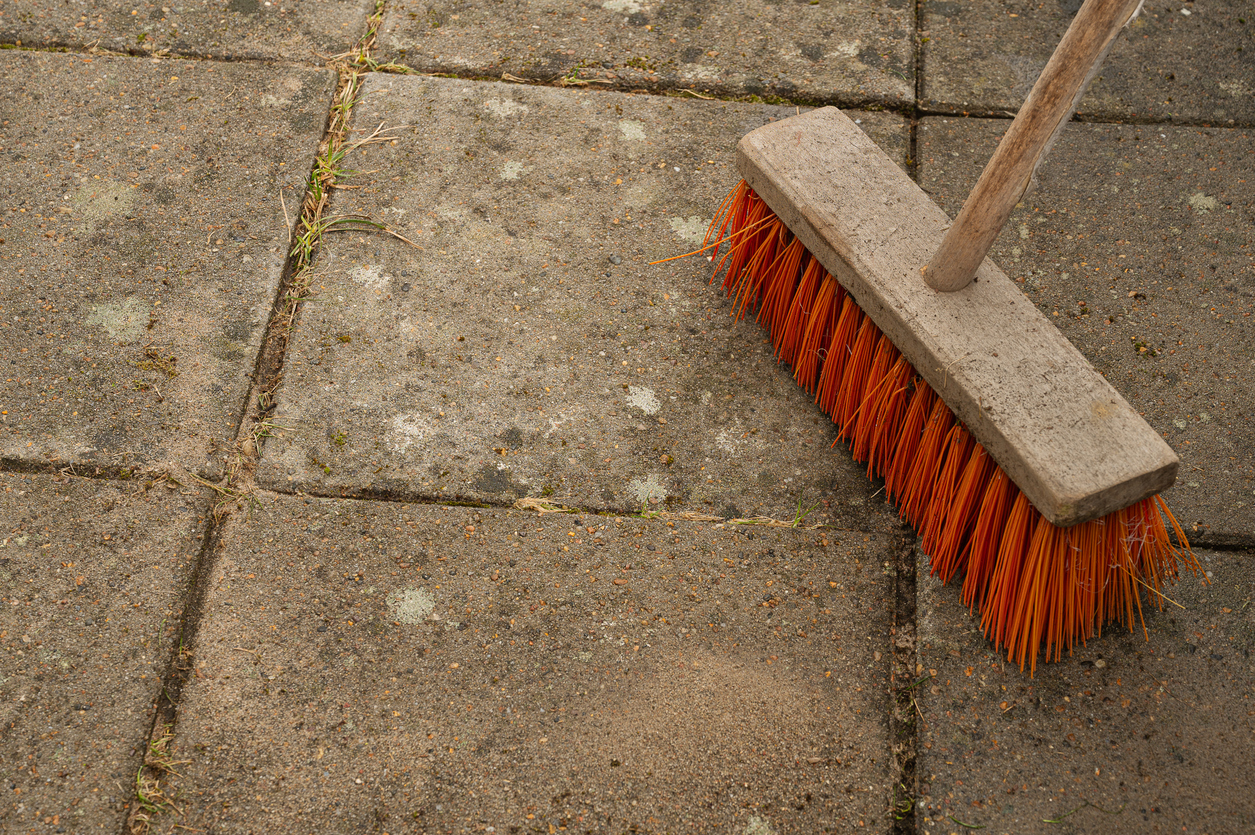
To keep your stone paver projects looking "award-ready" after a long Ontario winter, a standardized spring maintenance protocol is essential. For home builders and developers, providing these guidelines to clients—or performing them as part of a property management service—ensures that the best construction materials in Ontario maintain their structural integrity and aesthetic value.

Here is the professional checklist for spring-cleaning stone patios and walkways.

De-Icing

The first step in any spring maintenance routine is removing the residual chemical salts and minerals left behind from winter ice-melts. Perform a high-volume, low-pressure rinse. Use a standard garden hose rather than a pressure washer to avoid damaging the mortar or polymeric sand joints. Moisture can be traped in its pores, and it is incredibly vulnerable to tdamage.

Leaving residual salt can cause sub-florescence—where salts crystallize below the stone surface—leading to surface scaling and "pitting" over time.


Deep Stain Removal & Degreasing

Spring is the time to remove organic stains (algae or moss) and accidental spills from winter barbecuing or bird activity. Use a pH-neutral masonry cleaner. Unlike generic household cleaners, professional solutions like those from Techniseal or Prosoco are formulated to lift organic matter without stripping the stone’s natural minerals.

If the patio features an outdoor kitchen, use a specialized "Oil-Out" poultice. This pulls deep-set grease out of the porous stone rather than just washing it across the surface.


Joint Check

Winter’s freeze-thaw cycles can occasionally cause "heaving" or joint depletion. Walk the site and look for cracked or missing sand in the joints. If you see any gaps, the area must be topped up with a high-performance Polymeric Sand.

Ensure the joints are filled to 1/8" below the chamfer (the edge of the stone). Overfilling leads to sand "spillovers" and staining on the stone surface.


Checking the "Perimeter Health"

For builders, the area around the patio is as important as the stone itself.  Check that the plastic or aluminum edge restraints haven't "crept" up due to frost.

Ensure that mulch or soil hasn't built up over the edges of the patio, which can trap water and lead to "ponding" and future stone degradation.


From industrial-strength efflorescence removers to professional-grade jointing sands, Ferrell Builders’ Supply has the stock to get your outdoor projects ready for the season.

Visit us in Hamilton, Fonthill, London, or Waterloo to pick up the specific cleaners and sealers designed for the Ontario climate.

Protecting masonry stone in the Ontario climate

To keep your stone paver projects looking "award-ready" after a long Ontario winter, a standardized spring maintenance protocol is essential. For home builders and developers, providing these guidelines to clients—or performing them as part of a property management service—ensures that the best construction materials in Ontario maintain their structural integrity and aesthetic value.

Here is the professional checklist for spring-cleaning stone patios and walkways.

De-Icing

The first step in any spring maintenance routine is removing the residual chemical salts and minerals left behind from winter ice-melts. Perform a high-volume, low-pressure rinse. Use a standard garden hose rather than a pressure washer to avoid damaging the mortar or polymeric sand joints. Moisture can be traped in its pores, and it is incredibly vulnerable to tdamage.

Leaving residual salt can cause sub-florescence—where salts crystallize below the stone surface—leading to surface scaling and "pitting" over time.


Deep Stain Removal & Degreasing

Spring is the time to remove organic stains (algae or moss) and accidental spills from winter barbecuing or bird activity. Use a pH-neutral masonry cleaner. Unlike generic household cleaners, professional solutions like those from Techniseal or Prosoco are formulated to lift organic matter without stripping the stone’s natural minerals.

If the patio features an outdoor kitchen, use a specialized "Oil-Out" poultice. This pulls deep-set grease out of the porous stone rather than just washing it across the surface.


Joint Check

Winter’s freeze-thaw cycles can occasionally cause "heaving" or joint depletion. Walk the site and look for cracked or missing sand in the joints. If you see any gaps, the area must be topped up with a high-performance Polymeric Sand.

Ensure the joints are filled to 1/8" below the chamfer (the edge of the stone). Overfilling leads to sand "spillovers" and staining on the stone surface.


Checking the "Perimeter Health"

For builders, the area around the patio is as important as the stone itself.  Check that the plastic or aluminum edge restraints haven't "crept" up due to frost.

Ensure that mulch or soil hasn't built up over the edges of the patio, which can trap water and lead to "ponding" and future stone degradation.


From industrial-strength efflorescence removers to professional-grade jointing sands, Ferrell Builders’ Supply has the stock to get your outdoor projects ready for the season.

Visit us in Hamilton, Fonthill, London, or Waterloo to pick up the specific cleaners and sealers designed for the Ontario climate.

SEARCH ×